Your ticket says appear in court. Here is what that changes
Traffic citations and low-level driving charges in Washington State, and how to decide whether to pay, contest them yourself, or hire representation
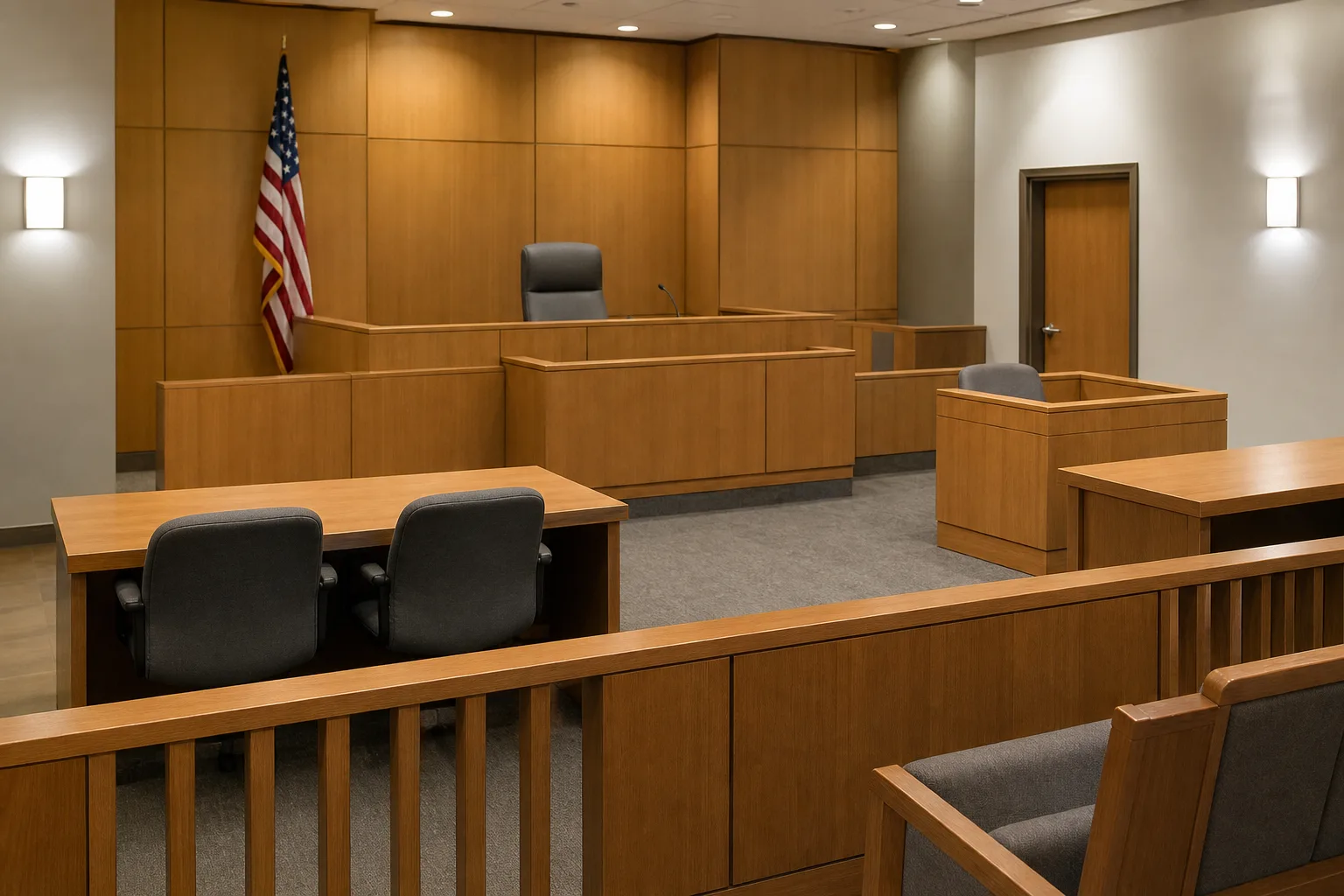
The clearest signal that a citation is criminal rather than civil is that it names a court date and time instead of a deadline to respond by mail. Missing that date can produce a bench warrant, which is a separate problem layered on the original charge.
- Two degrees of negligent driving
- Negligent driving in the second degree is a civil infraction resolved with a fine, while first degree is a misdemeanor with jail exposure. The citation distinguishes them by statute number, not by wording you would notice at a glance.
- Suspension you did not know about
- Many driving while license suspended charges begin with an unpaid infraction that went to collections and triggered an administrative suspension. Drivers routinely learn about it during the traffic stop that produces the criminal charge.
- Reinstatement as leverage
- Getting the underlying license reinstated before the court date frequently changes what a prosecutor is willing to offer on a suspended license charge. It is one of the few steps a defendant can take entirely on their own.
Most citations handed out on a Washington roadside are civil infractions, and the paperwork tells you so in language that is easy to skim past. A notice of infraction gives you a response deadline, usually measured in days from the date of issue, and three choices about how to answer it. A criminal citation looks similar at a glance, prints on similar stock, and is signed the same way. It differs in one respect that governs everything after it: it orders you to appear in front of a judge on a specific date, and it carries the possibility of jail. Reading the difference correctly is the first decision, and it is made before any other.
1. Find the appearance date, then find the statute number
A careful reader checks two fields before anything else. The first is whether the citation names a court date and time rather than a deadline to respond by mail. The second is the RCW section printed next to the charge, because that number, not the officer's shorthand, defines what the state says you did. Negligent driving in the second degree is an infraction under Washington law. Negligent driving in the first degree is a misdemeanor. The two read almost identically on a citation and differ by a single word that changes the entire procedural track, the exposure, and the cost of getting it wrong.
2. Driving while license suspended is a criminal charge, not a fine
Driving while license suspended in the third degree is the most common criminal traffic charge in the state, and it typically arrives with people who did not know their license was suspended in the first place. The underlying suspension is often administrative: an unpaid infraction that went to collections, a missed hearing, a failure to appear. Because the charge is criminal, it produces an arraignment, a criminal case number, and a record that follows you differently than a speeding ticket does. It is also, in practice, one of the most frequently resolved charges in Washington district and municipal courts, because reinstating the license underneath it often changes what the prosecutor is willing to do.
3. Insurance alone is civil, but insurance plus something else is not
Driving without proof of valid insurance is an infraction in Washington and stays one. What a careful reader watches for is the citation that lists it alongside a second charge, because the second charge is usually the one that sets the track. When an infraction and a misdemeanor arrive on the same stop, they can travel through the same courthouse on different schedules, with different burdens of proof, and different deadlines. The infraction is decided on a preponderance standard by a judge. The criminal count requires proof beyond a reasonable doubt and carries the right to counsel.
4. Reckless and DUI bring a second proceeding you have to trigger yourself
Reckless driving and DUI are gross misdemeanors, and DUI in particular runs on two tracks at once. The criminal case proceeds through the court on the citation's arraignment date. Separately, the Department of Licensing opens an administrative action against the license itself, and the hearing that contests it must be requested within a short statutory window after arrest. Miss that window and the suspension typically proceeds regardless of what happens in the criminal case. The National Highway Traffic Safety Administration is the federal body responsible for impaired driving policy nationally, but the license consequence here is entirely a state administrative matter with its own clock.
5. Jail exposure is the line where the calculation changes
For an infraction, hiring someone is an economic question: the fee against the fine, the insurance consequence, and the value of your afternoon. Once jail is on the table, the arithmetic stops being about money. A criminal charge means an arraignment you must attend, conditions of release a judge can impose, and a possible sentence. It also means a right to appointed counsel if you qualify financially, which is worth asking the court clerk about directly. Anyone facing a criminal traffic charge who has not yet talked to a defense attorney is deciding without knowing what the options are.
The practical test is short. If the citation orders you to appear, treat the date as immovable, note any separate licensing deadline, and get an opinion from someone who handles these before the first hearing rather than after it.